

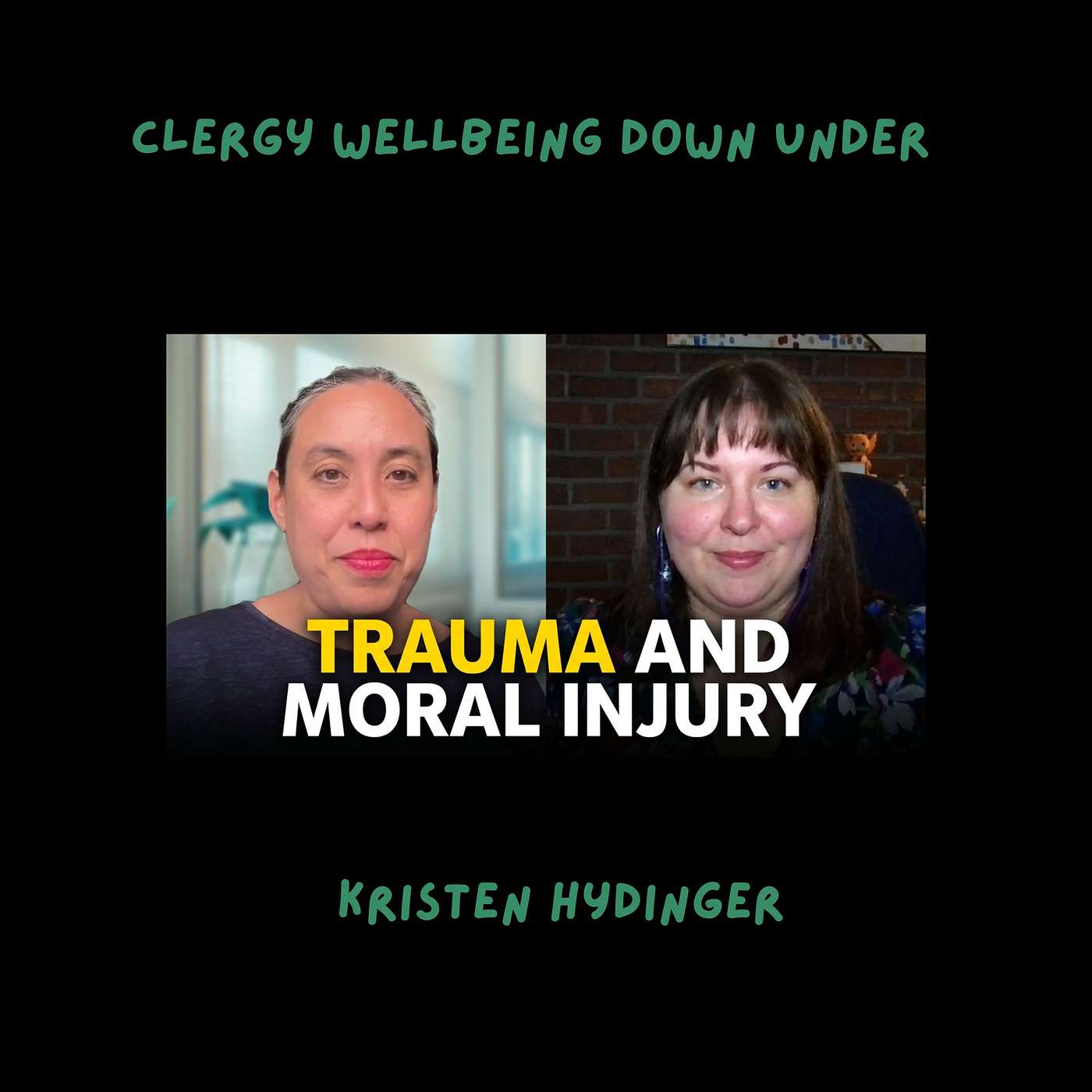
Trauma and Moral Injury in Ministry
In this episode, Kristen Hydinger, a researcher at Boston University's Danielson Institute, shares insights into the unique mental health challenges faced by clergy and chaplains, emphasizing trauma, moral injury, and resilience factors. She discusses innovative support programs and highlights the importance of systemic change and community in fostering spiritual caregivers' wellbeing.
Main Topics:
- Definitions and distinctions among trauma, moral injury, and burnout in religious leaders
- Unique risk factors and traumatic exposures faced by clergy and chaplains
- Differences in workplace environments between congregational clergy and chaplains
- The impact of organizational policies, expectations, and external stressors like COVID-19
- The Chrysalis program: a holistic, online support initiative for clergy wellbeing
- Preparing seminary students for the realities of ministry and crisis response
- The importance of community and systemic support structures for sustainable ministry
Timestamps:
00:00 - Introduction to Kristen Hydinger and her research background
01:01 - Overview of the Danielson Institute and its interdisciplinary focus
02:20 - Defining trauma in clergy and chaplains—clinical distinctions
03:01 - The concept of vicarious trauma and moral injury in spiritual caregivers
04:27 - Burnout: overlapping but distinct from trauma and moral injury
05:33 - PTSD prevalence among clergy and how it relates to trauma levels
07:14 - Exploring the roles of clergy vs. chaplains and their workplace differences
08:12 - How COVID-19 intensified stressors for religious leaders and support responses
09:30 - Empirical research on trauma exposure and wellbeing of clergy and chaplains
11:03 - The unique spiritual and existential trauma experienced by clergy
12:19 - Physical risks and safety concerns for clergy in pastoral work
13:07 - Organizational, theological, and community pressures contributing to trauma
15:14 - Specific scenarios leading to traumatic exposure in ministry
16:25 - Organizational conflicts, community expectations, and decline pressures
18:12 - The surge of conflict during crises like COVID-19 and their traumatic impacts
19:31 - Case examples of acute traumatic exposures and moral dilemmas
20:06 - Power dynamics, forced departures, and organizational stressors
21:05 - The latent profile analysis: resilience, flourishing, and risk categories
22:24 - Study demographics and percentages across resilience spectra
23:44 - Implications of the high prevalence of burnout and trauma markers
24:46 - Personal reflections as a researcher and clergy about sustainability in ministry
25:10 - The role of systemic support—or lack thereof—in clergy wellbeing
26:03 - Moral injury examples involving organizational mandates and ethical conflicts
27:04 - Impact of organizational pressures on pastoral decision-making and relationships
29:18 - The challenge of limited mental health care referral options in ministry
30:35 - The ripple effects of ministry stress on family and personal life
32:27 - Practical scenarios involving moral injury in community and rural settings
34:03 - Gaps in seminary training regarding crisis response and trauma preparedness
35:18 - The importance of equipping clergy with mental health first aid skills
36:01 - The Chrysalis program: an innovative online resilience and self-care initiative
37:27 - Program content: processing work-related residue and external resources
38:36 - Holistic approaches to sustainment, including internal and external supports
40:16 - Final thoughts: community, systemic change, and shared wellbeing in ministry
To enquire about the CH
Podcast Disclaimer:
Please be aware that the opinions and viewpoints shared on this podcast are personal to me and my guests, and do not represent the stance of any institution. This podcast aims to present findings for open discussion and dialogue, inviting listeners to engage critically and draw their own conclusions. While the content serves informational purposes, it is not a substitute for professional advice. Thank you for joining me on this journey of exploration and conversation!
Transcript
A transcript is available for this episode. Open transcript ↗
Comments
Be kind. Comments are public and moderated.